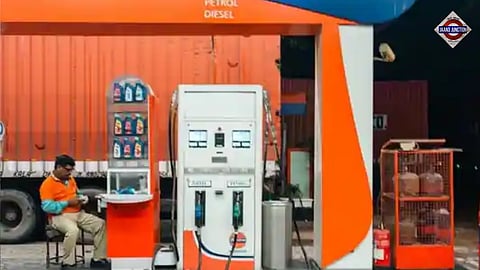

The Centre will withdraw temporary restrictions on the sale of petrol and diesel from July 1, marking a return to normal fuel distribution after months of precautionary measures triggered by geopolitical tensions in West Asia.
The restrictions were introduced earlier this year amid concerns that the conflict involving the United States, Israel and Iran, along with disruptions around the Strait of Hormuz, could impact global energy supplies and create pressure on India's fuel availability.
With the situation stabilising and supply chains showing signs of recovery, the government has now decided to lift the emergency curbs that affected commercial fuel consumers across the country.
Why Were the Restrictions Imposed?
The measures were introduced as a safeguard against potential shortages at a time when uncertainty in the Gulf region had raised concerns about crude oil supplies and transportation routes.
Under the temporary rules, commercial consumers were not allowed to purchase petrol and diesel from retail fuel stations. Authorities had also imposed limits on daily diesel purchases to ensure that adequate stocks remained available for ordinary consumers and essential services.
The restrictions were part of a broader strategy to protect domestic fuel supplies as policymakers monitored developments in one of the world's most critical energy corridors.
Commercial LPG Supplies Already Restored
The decision comes days after the government restored commercial LPG supplies to near-normal levels.
Earlier, allocations of non-domestic LPG cylinders had been reduced to prioritise household cooking gas requirements. The move had affected restaurants, hotels, bakeries and several industrial units, forcing many businesses to rely on alternative fuels such as diesel and coal.
Following improvements in supply conditions, oil marketing companies were directed to resume full supplies of commercial LPG cylinders. Bulk LPG restrictions were also partially relaxed, allowing eligible consumers to access up to half of their pre-crisis consumption levels.
PNG Push to Continue
Even as LPG supplies return to normal, the government has clarified that commercial and industrial consumers who have already shifted to Piped Natural Gas (PNG) will not be permitted to switch back to LPG.
The policy aligns with the Centre's long-term objective of expanding cleaner fuel adoption and reducing dependence on conventional energy sources where alternatives are available.
