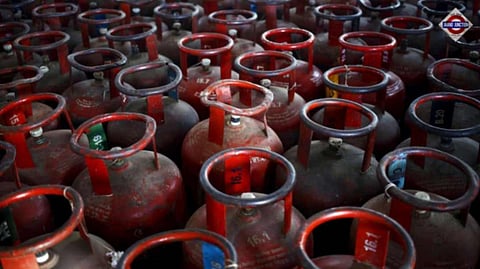

LPG (Liquefied Petroleum Gas) production has been increased by 10% following earlier directions to boost domestic output, according to a Moneycontrol report citing a government source.
“LPG disbursement stands at around 60 lakh cylinders per day, unchanged from earlier levels. No LPG distributor is out of supplies. Energy supplies that were disrupted due to the closure of the Strait of Hormuz have been restored," the source said, as reported by Moneycontrol.
The government has also set up a committee of oil marketing companies (OMCs) that will engage with restaurants and other commercial LPG users and prioritise gas supply based on their needs, the report said.
“It is a supply management issue. The committee will now re-prioritise gas supply among commercial users," the source added, according to the Moneycontrol report.
The source further said more LPG cargoes are arriving, with LPG and LNG shipments from other countries beginning to reach India. Earlier, there was a shortage of around 40 VLCCs (very large crude carriers), but nearly half of them have now resumed operations, Moneycontrol reported.
Hotel and restaurant industry bodies in Bengaluru, Chennai and Mumbai have flagged a shortage of commercial cooking gas cylinders amid supply disruptions linked to the ongoing conflict in the Middle East. Following the concerns, the Centre has directed oil refineries to increase liquefied petroleum gas (LPG) production.
Meanwhile, LPG prices were raised last Saturday due to the Iran–Israel–US conflict and the disruption in key energy shipping routes, including the Strait of Hormuz. The price of household cooking gas cylinders was increased by Rs 60, while commercial LPG cylinders saw a hike of Rs 115.
As the Middle East chaos has disrupted the supply of crude oil and gas, the Centre has invoked the Essential Commodities Act (EC Act), directing refineries and petrochemical units to boost production of liquefied petroleum gas (LPG) and divert key hydrocarbon streams to the LPG pool.
The highest priority will be given to domestic piped natural gas (PNG) supply, compressed natural gas (CNG) used in transport, LPG production, and essential pipeline operations. These sectors will receive gas supplies equivalent to 100% of their average consumption over the past six months, subject to operational availability.
